





The Ultimate Guide to Car Charger Inverters: Choosing the Right Size and Protecting Your Battery
- Introduction
- What is a car charger inverter and how does it work?
- How do I know what size power inverter is right for my car?
- Can using a power inverter drain my car battery?
- Is it safe to charge a laptop or sensitive electronics with a car inverter?
- What is the difference between pure sine wave and modified sine wave inverters?
- How much power can a standard car cigarette lighter socket handle?
- What safety protection features should a car power inverter offer?
- Why is my car power inverter beeping or shutting off?
- Conclusion
- Call to Action
Introduction
Whether you are embarking on a cross-country road trip, working remotely from your van, or preparing for an unexpected power outage, a car power inverter is an indispensable tool. It serves as the bridge between your vehicle's battery and the electronics you rely on every day. However, plugging household appliances into your dashboard is not as simple as it seems.
Understanding the mechanics of mobile power conversion is essential for keeping your devices safe and ensuring your vehicle continues to start reliably. Selecting the wrong equipment can lead to blown fuses, damaged electronics, or a completely dead car battery, leaving you stranded.
This comprehensive guide will walk you through everything you need to know about powering your electronics on the go. From calculating your precise wattage needs to understanding complex waveforms, we will help you choose the perfect inverter for your mobile lifestyle.
What is a car charger inverter and how does it work?
A car charger inverter, technically known as a 12V DC to 110V AC converter, is an electronic device that transforms the direct current (DC) stored in your vehicle's battery into alternating current (AC). AC is the standard type of electricity supplied by your home's wall outlets, which is required by most laptops, household appliances, and heavy-duty tools.
The conversion process relies on complex internal circuitry. The inverter uses electronic switches that rapidly flip the DC voltage back and forth, creating an oscillating AC waveform. A built-in transformer then steps up the vehicle's low 12-volt output to the 110 or 120 volts required by standard consumer electronics.
These devices are incredibly versatile and come in a variety of form factors. Small plug-in models are perfect for keeping phones and small laptops charged during road trips, while large, hardwired units can power microwaves, refrigerators, and power tools for off-grid living or mobile workshops.
Understanding this core mechanism is the first step in building a reliable mobile power setup. By converting energy efficiently, these devices unlock the full potential of your vehicle as a rolling generator.
How do I know what size power inverter is right for my car?
Choosing the right size requires calculating the total electrical load of the devices you intend to power simultaneously. Every electronic device has a wattage rating, usually printed on its power supply or in the user manual. To find your minimum required size, you must add up the wattage of all devices you will plug in at the same time.
It is crucial to understand the difference between continuous power and peak (or surge) power. Continuous power is what the device needs to operate normally, while peak power is the temporary spike in energy required to start up certain appliances, particularly those with electric motors like refrigerators or power tools. Your inverter must have a surge rating high enough to handle these brief, intensive loads.
A best practice in the industry is to apply the "20% rule" for safety and longevity. Once you have calculated your maximum continuous wattage, add 20% to that number to determine your ideal inverter size. This buffer ensures that the unit is not constantly running at maximum capacity, which prevents overheating and extends the life of the internal components and the overall vehicle electrical system.
Can using a power inverter drain my car battery?
Yes, using any electrical accessory while the vehicle's engine is turned off will continuously draw power from the battery. A car battery is primarily designed to provide a massive, short burst of energy to start the engine, not to sustain long-term electrical loads like a deep-cycle marine battery would.
The rate at which your battery drains depends entirely on the capacity of the battery and the wattage of the devices you are actively running. A small phone charger might take days to deplete a healthy car battery, while a 1000-watt coffee maker could drain it past the point of starting the engine in a matter of minutes.
To prevent being stranded, it is highly recommended to only run high-wattage devices while the vehicle's engine is idling. Additionally, investing in a model with built-in battery drain protection is an excellent safeguard. This feature actively monitors your battery's voltage and will automatically shut off the inverter if the power drops to a critical level, ensuring you always have enough juice left to start the car.
Is it safe to charge a laptop or sensitive electronics with a car inverter?
Charging laptops, cameras, and other sensitive electronics in your car is generally safe, provided you are using the correct type of power inverter. The primary concern is the "cleanliness" of the electrical waveform being supplied to the device's power adapter.
Most modern laptop chargers act as a buffer; they convert the AC power from the inverter back into DC power for the laptop battery. Because of this intermediate step, many laptops can handle slight power fluctuations without immediate damage. However, over time, choppy or inconsistent power can cause the laptop's "power brick" to overheat and degrade faster than it would at home.
For absolute safety and peace of mind—especially when powering high-end computers, medical equipment, or audio gear—you must use equipment that guarantees clean power delivery. A pure sine wave inverter is heavily recommended for this purpose, as it mimics the exact electrical flow you would get from a residential wall socket, eliminating the risk of internal hardware damage.
What is the difference between pure sine wave and modified sine wave inverters?
Modified sine wave inverters are the most common and affordable options on the market. They produce a blocky, "stepped" approximation of an AC waveform. While this choppy power is perfectly fine for simple devices like incandescent lights, basic heaters, and old-school motors, it can cause sensitive electronics to behave erratically, buzz, or overheat.
In contrast, a pure sine wave inverter is designed with advanced circuitry to provide premium power. As detailed by power management experts at Eaton, a pure sine wave is a smooth, consistent waveform that closely matches utility grid power. This seamless flow of electricity is exactly what modern microprocessors and delicate circuits expect to receive.
When deciding between the two, consider your specific use case. If you only need to run a simple fan or a coffee pot, a modified sine wave unit will save you money. However, if you plan to power CPAP machines, digital clocks, variable speed power tools, or expensive laptops, the extra investment in a pure sine wave model is non-negotiable for equipment safety.
How much power can a standard car cigarette lighter socket handle?
A common mistake made by consumers is attempting to plug high-wattage equipment directly into their vehicle's dashboard 12V socket. These sockets were originally designed for the brief heating of a cigarette lighter coil, not for sustaining heavy, continuous electrical loads.
The limiting factor is the wiring gauge and the vehicle's fuse box. According to Wikipedia, a typical 12-volt car power circuit is protected by a 10 to 20-ampere fuse, meaning it can safely deliver only 120 to 240 watts of power. Exceeding this limit will instantly blow the fuse, cutting off power to the socket.
If you need to run devices that draw more than 150 to 200 watts, such as blenders, small refrigerators, or gaming consoles, you cannot use the cigarette lighter adapter. Instead, you must bypass the vehicle's internal wiring by using heavy-duty cables to connect your inverter directly to the car battery terminals.
What safety protection features should a car power inverter offer?
When dealing with high electrical currents inside a vehicle, safety features are not just optional upgrades; they are critical necessities. Overload and short-circuit protection are the most important safeguards. If a connected device malfunctions or attempts to draw more power than the inverter can safely provide, these features instantly cut the power to prevent electrical fires and melting wires.
Thermal protection is another vital element of a quality vehicle electrical system. Inverters naturally generate heat during the DC-to-AC conversion process. A good unit will feature temperature-controlled cooling fans that activate under heavy loads, as well as an automatic thermal shutdown mechanism that disables the device if internal temperatures reach a dangerous threshold.
Finally, robust voltage monitoring is essential to protect both your car and your gadgets. Look for models offering over-voltage and under-voltage protection. Over-voltage protection defends the unit from alternator spikes, while under-voltage alarms alert you when your car battery is getting dangerously low, allowing you to turn off devices before you are stranded.
Why is my car power inverter beeping or shutting off?
The most common reason for a sudden beeping alarm is a low-voltage warning. This is a built-in safety feature alerting you that your vehicle's battery voltage has dropped below a safe threshold (usually around 10.5 volts). When this happens, the unit is warning you that if you do not start the engine to recharge the battery immediately, it will soon shut off entirely to save enough power for the starter motor.
Overheating is another frequent cause of sudden shutdowns. If you have placed the unit under a car seat, buried it in luggage, or are operating it in a hot climate, it cannot properly vent the heat generated by the conversion process. Once the internal sensors detect excessive heat, the device will temporarily disable itself to prevent irreversible thermal damage.
Lastly, continuous overloading will trigger an immediate fault. If you are using a 300-watt inverter and you suddenly plug in a 500-watt power tool, the unit's short-circuit and overload protection will instantly trip, shutting down the AC output. To resolve this, simply unplug the incompatible device and reset the unit by toggling its power switch.
Conclusion
A car power inverter is a fantastic utility that can transform your vehicle into a mobile power station, provided you understand its capabilities and limitations. By accurately sizing your wattage needs, understanding the critical differences between waveform types, and respecting the limits of your car's wiring, you can safely power your life on the road.
Always prioritize models with robust safety features and clean energy output to protect your expensive electronics and your vehicle's delicate electrical system. With the right equipment properly installed, you will never have to worry about running out of power, no matter where your travels take you.
Call to Action
If you need expert assistance in selecting the perfect power inverter for your specific vehicle and energy needs, please contact our team today for a free consultation.


Modified Sine Wave Inverters
What devices can it power?
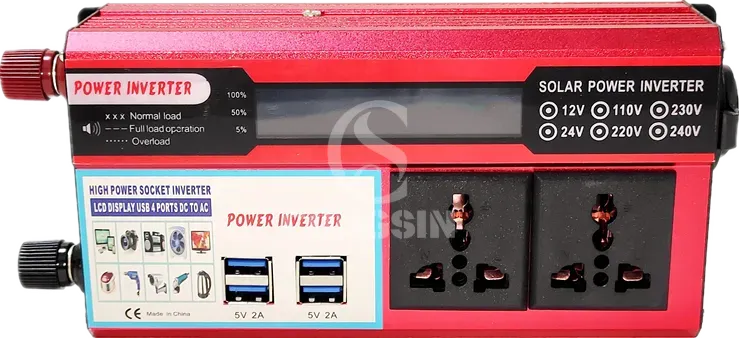
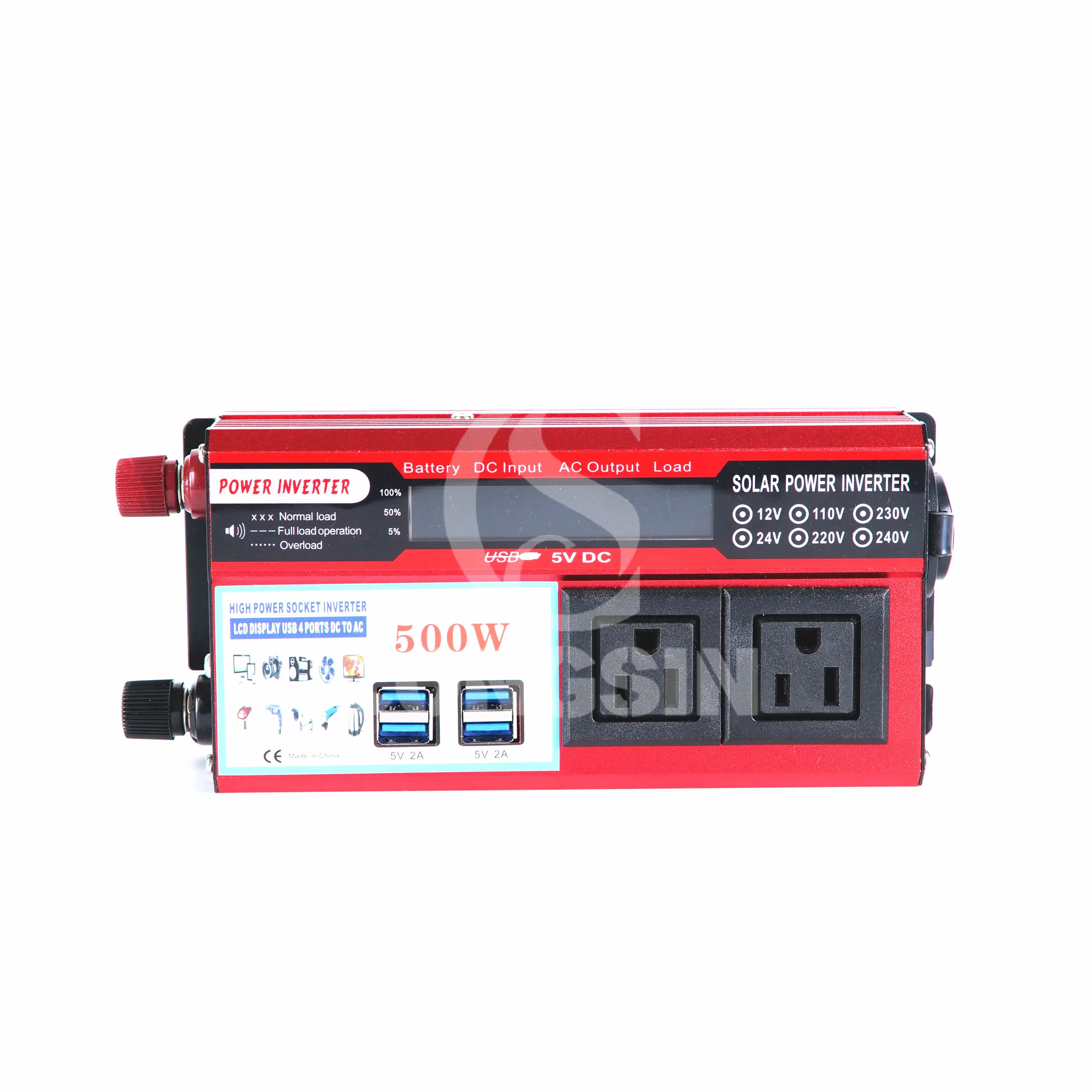
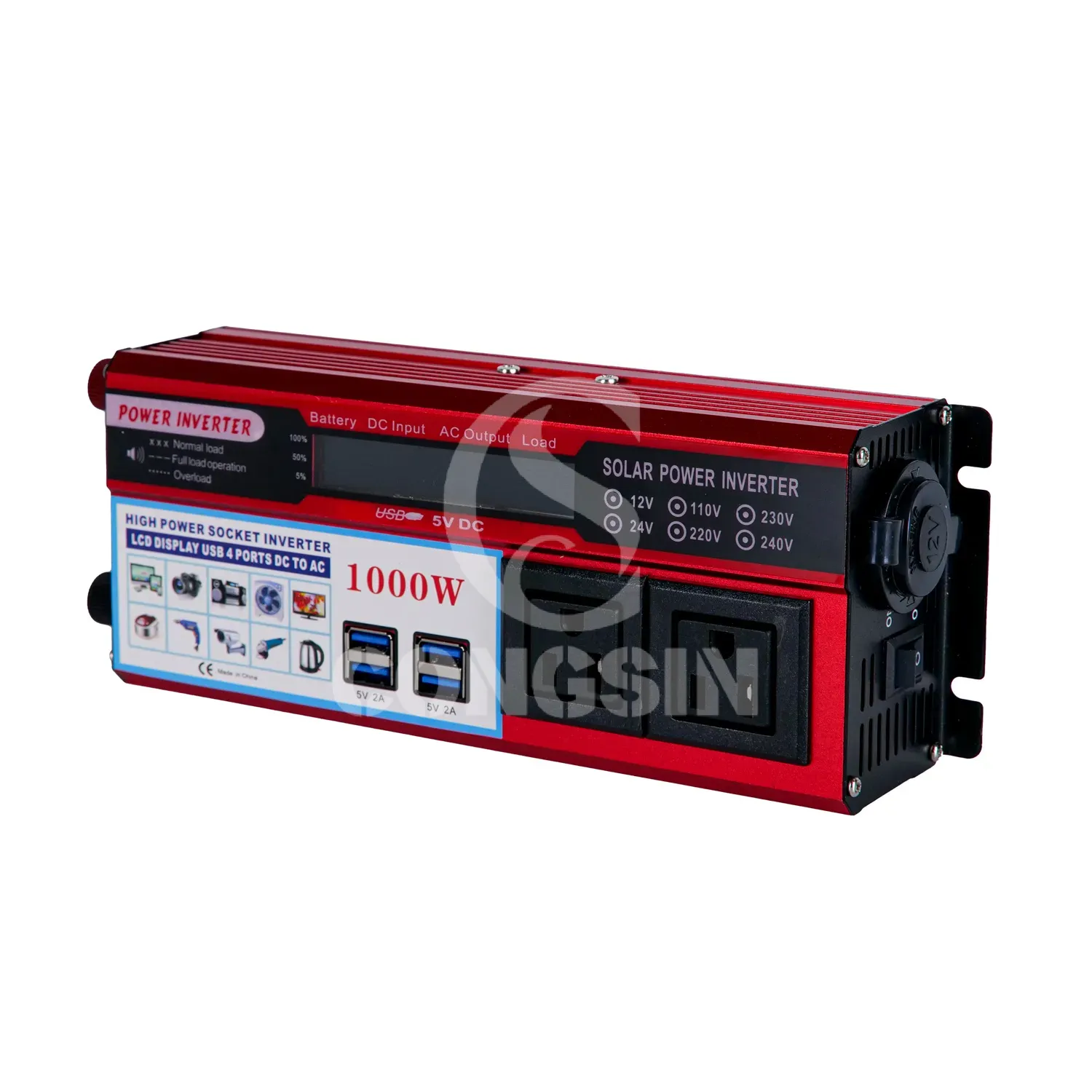
Suitable for fans, lights, TVs, laptops, and small electric tools.
What devices can this inverter power?
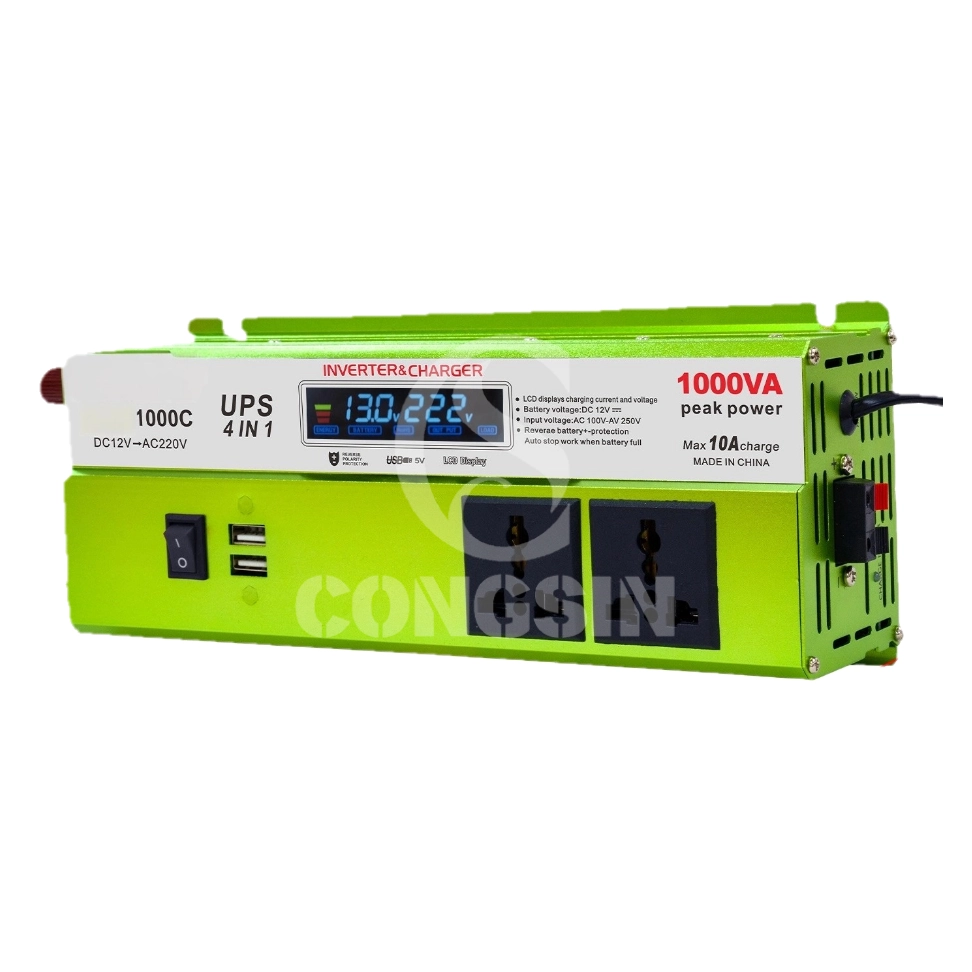
Rated for 600W, peak 1000W. Recommended to use devices under 80% of rated capacity.
What power range of devices can it supply?
It supports devices within 360W in UPS mode and within 500W in regular mode. Ensure the device power does not exceed the corresponding limit.
Pure Sine Wave Inverters
Can the 3 AC sockets drive high-power devices at the same time?
Yes, but it is necessary to ensure that the total power of the 3 devices does not exceed 2000W (continuous power). For example, it can drive 1 1000W electric oven + 1 500W microwave + 1 400W printer at the same time (total power 1900W), avoiding total power overload to trigger the protection mechanism.
Products
Can it be connected to a battery long-term?
Yes, ensure good ventilation to avoid overheating.
Get in Touch with Our Team
You can also communicate with us directly through our online contact form. Please fill in the following information, and our team will contact you as soon as possible after receiving your message.

CONGSIN is a trusted OEM factory for power inverters, solar charge controllers, and DC converters. Reliable solutions for global B2B buyers.
 High Quality
 7/24 Service
 Guaranteed Warranty
© 2025 Congsin. All Rights Reserved.